


Publications by: Guest content
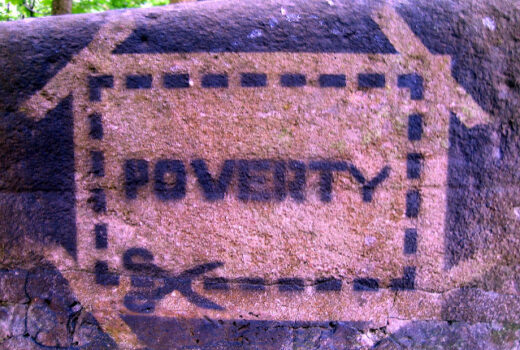
‘Good news’ claiming ‘falling global poverty’ isn’t news at all
Blog / 7th October 2016Is poverty really on the decline across the world, as widely reported by the World Bank and United Nations? This ‘good news’ narrative is far from the whole truth, explains The Rules team.
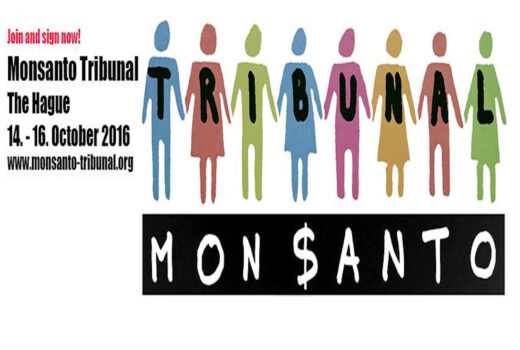
Monsanto Tribunal and People’s Assembly
Article / 6th October 2016Civil society groups have organised a people’s assembly to hold Monsanto accountable for their crimes against humanity and the environment, and to spell out an alternative vision for the future of food and farming based on reclaiming the commons, earth democracy and agroecology.
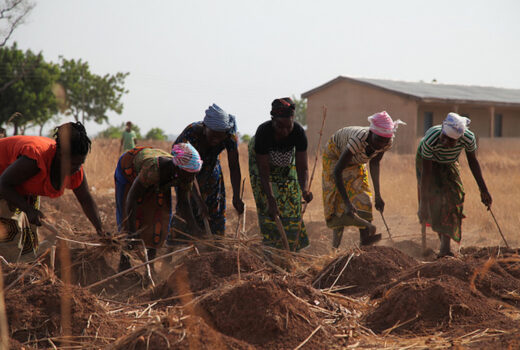
Seeds of corporate power vs farmers’ rights
Article / 6th October 2016The expansion of corporate control in agriculture is reflected in three international treaties that establish the global rights of various stakeholders to seeds, germplasm, and plant varieties. But the balance of power needs to tilt back the other way, with farmers’ rights taking precedence over agribusiness profits, whether in these treaties or in trade deals, explains Karen Hansen-Kuhn.
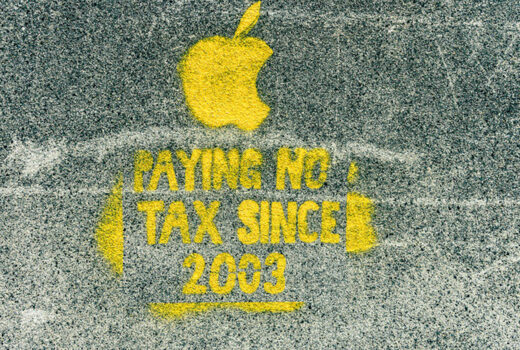
Tax havens are a global shame. Now is the time to put an end to them.
Article / 4th October 2016A rapidly growing global web of tax havens is one of the key drivers of global inequality, allowing some of the world’s super rich to pay no taxes or far less than they should. Now is the time for a historic ethical pact to finally deliver tax justice to the world, and to end the existence of tax havens altogether, writes Rafael Correa.
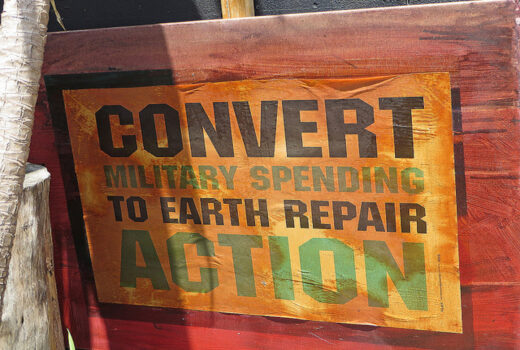
Want national security? Dismantle the war machine
Article / 4th October 2016We need a deep rethinking of how we prioritize and respond to security threats. If we want a healthy Earth, justice, peace, and democracy, we need a 21st-century security agenda that addresses the causes of contemporary conflicts, encourages cooperation and diplomacy, and supports every person in their quest for a healthy and dignified life, writes David Korten.
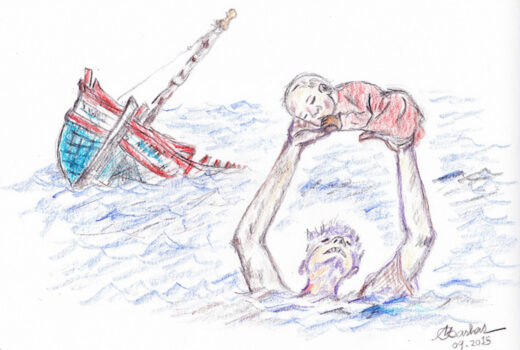
A new deal for refugees and migrants?
Blog / 13th September 2016As world leaders gear up for the first ever UN Summit on refugees and migrants, civil society organisations already expect the summit to fail to agree any concrete steps for governments to share the responsibility for dealing with the escalating crisis. That is why calls for putting the equitable sharing of responsibility into practice will continue well after the Summits, reports Josephine Liebl of Oxfam International.

Corporations running the world used to be science fiction – Now it’s a reality
Blog / 13th September 2016The power of corporations has reached a level never before seen in human history, often dwarfing the power of states. That is why civil society organisations are backing the new UN initiative for a legally binding global treaty on transnational corporations and human rights, as explained by Aisha Dodwell of Global Justice Now.

Questions for the commons movement
Article / 13th September 2016There are many questions still to be answered in the growing literature on the commons, central to which is the role of the state in respecting and fulfilling our basic socioeconomic rights. The ‘commons’ can become a very strong discourse and practice to re-order today’s progressive political forces, but does it mean we have to abandon universal claims of equality and human rights? An enquiry by Francine Mestrum.

An energy revolution is possible: Tax havens and financing climate action
Article / 7th September 2016According to a new report by Friends of the Earth International, it is a gross injustice that the world’s richest multinational corporations and individuals do not pay their fair share of taxes and continue to pollute without limit. But we can stop tax avoidance and use that money for building sustainable and just societies through a clean energy revolution.
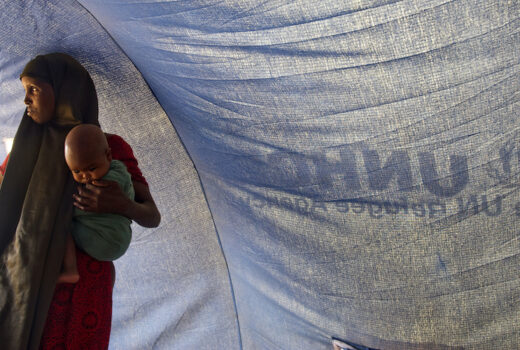
Looking good and making a fast buck? Why rich countries help the poor
Article / 7th September 2016The arguments for rich nation's moral duty and responsibility to help the distant needy are well known, but short-term political and commercial advantages are dominating the practice of redistributing foreign aid. And the underlying problem is a lack of critical public engagement and concern, writes David Hulme in an extract from his new book, 'Should Rich Nations Help the Poor?'.