


Publications by: Guest content
Commons transition and P2P: a primer
Report / 12th May 2017A new primer explains the origins of the commons and P2P, how they interrelate, their movements and trends, and how a Commons transition is poised to reinvigorate work, politics, production, and care, both interpersonal and environmental. Co-published by the P2P Foundation and the Transnational Institute.

Building a new social commons: the people, the commons and the public realm
Report / 12th May 2017We must build the case for a new social commons, and urgently, because we’re in danger of losing what we’ve taken for granted for half a century. The old order of politics, including the post-war welfare settlement, is crumbling. So can we envisage a social commons that people shape and control democratically, based on pooled resources, collective action and mutual aid? A report by the New Economics Foundation.

Oxfam inequality guide
Report / 12th May 2017This new guide by Oxfam is about inequality in all its forms. It contains practical advice on how to find and use reliable data on inequality in advocacy and campaigning, of use to both professionals and concerned citizens who want to have a stronger and shared understanding of the most important drivers of inequality.
How to kick the growth addiction
Article / 3rd May 2017The hegemony of the growth-based model often prevents people from questioning its core assumptions. But the building blocks of a new economy are within reach, central to which is the need to decouple growth from prosperity, explains Tim Jackson in an interview with Allen White. Reposted from the Great Transition Initiative.

UN urges global move to meat and dairy-free diet
Article / 3rd May 2017A global shift towards a vegan diet is vital to save the world from hunger, fuel poverty and the worst impacts of climate change, a UN report said today.

New study: How did we do that? The possibility of rapid transition
Report / 3rd May 2017A new study by the ESRC STEPS Centre at Sussex University and the New Weather Institute points to historical evidence that the sort of rapid, large scale social and economic change needed in the face of climate destabilisation has occurred before and could do so again.
On April 29, we march for the future
Blog / 22nd April 2017This Peoples Climate Mobilization (#ClimateMarch) will be the big sequel to the massive protest that filled the streets of New York in September of 2014. And these marches continue to matter for demanding action that is commensurate with the problem: namely, a World War II–scale mobilization for clean energy, and justice for those communities hit first and hit hardest by global warming. By Bill McKibben.
The Monsanto tribunal’s legal opinion reinforces movements’ struggle for basic human rights
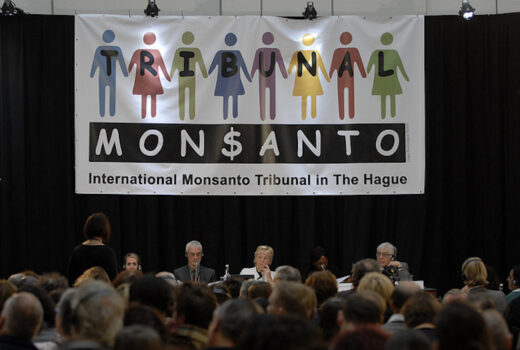
Blog / 21st April 2017The advisory opinion of the Monsanto Tribunal reinforces what grassroots movements all over the world have been contending for decades: that the future of our food lies in the hands of small farmers, and it is the ecological model of agriculture which offers the solution to poverty, hunger and malnutrition in the world and to the crisis of climate change. By Ruchi Shroff of Navdanya International.

Demonstrations matter – they create the kind of power politicians despise
Blog / 21st April 2017The point is not that ‘mass action works’ – it rarely does, on its own. But mass gestures of peaceful protest create their own dynamics that can be massive and far-reaching, writes Paul Mason.
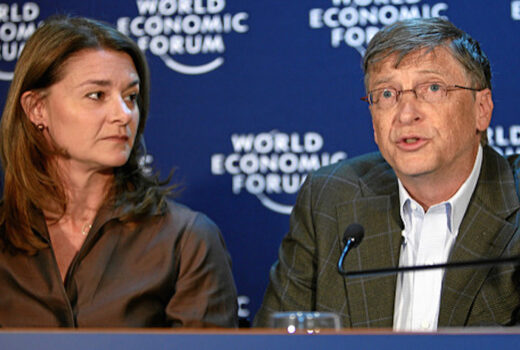
Gates Foundation’s rose-coloured world view not supported by evidence
Article / 21st April 2017For all its candor and color, here is what the annual Gates letter doesn’t tell you: that our global economic system is designed in such a way as to channel our planet’s wealth into the hands of a tiny elite. And changing that system at its root would require those with power to dismantle the very machine that created their privilege, writes Martin Kirk and Jason Hickel.