


A full list of STWR’s publications as well as related news, articles and blogs can be found below.

The seven myths of ‘slums’ – myth 1: there are too many people
Report / 8th December 2010Since Thomas Malthus first warned of an impending population explosion in 1798, the idea that there are too many people in the world for everyone to share in the earth’s bounty is one of the most persistent and widespread myths in popular thinking on development…

Rethinking the global economy: the case for sharing
Article / 25th November 2010The basic assumptions about human nature that inform economic and political decision-making are long outdated and fundamentally flawed. By acknowledging our interdependence and common ethical values, we can build a more sustainable, cooperative and inclusive global economy.

The wisdom of indigenous cultures
Article / 17th November 2010Many people have become dominated by consumerism and no longer recognise the value of our natural world or the importance of community. Indigenous cultures have a lot to teach us about sharing, sustainability, and a spiritual relationship to Mother Earth, explain Freddy Treuquil and Victor Lem Masc.

Sharing the world’s resources – an introduction
Report / 26th October 2010A sustainable global economy fit for the 21st Century must be based on a new ethical framework that reflects and supports humanity’s interdependence. The process of economic sharing can ensure that the world’s essential resources, goods and services are made accessible to all, according to a new brief by Share The World’s Resources.
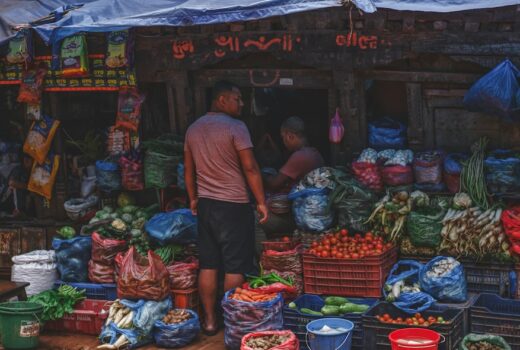
Rebuilding local economies: a shift in priorities
Article / 20th October 2010The grassroots movement for economic localisation represents a positive and practical response to the challenges of food insecurity, climate change, peak oil and financial instability. Governments should support this alternative vision for sustainable, human-scale development, writes Anna White.