


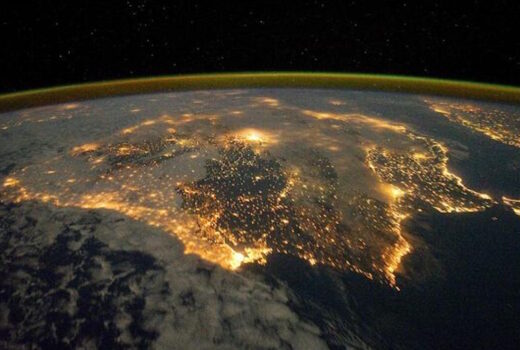
Humanity uses 70% more of the global commons than the Earth can regenerate
Blog / 5th February 2018Measuring humanity’s ecological footprint is essential for keeping its demands within the planet’s biocapacity, a minimum requirement for sustainability, writes Mathis Wackernagel from the Global Footprint Network.

Extreme poverty returns to America
Blog / 9th January 2018The U.N. finds growing numbers of Americans are living in the most impoverished circumstances. How did we get here? asks Premilla Nadasen.
Iran’s protests take place against a backdrop of inequality
Blog / 9th January 2018Will Iran listen to groups like the IMF or the voice of its people? Unless the country deals with basic economic concerns and inequality, the frustrations will continue to simmer, writes Negin Owliaei.
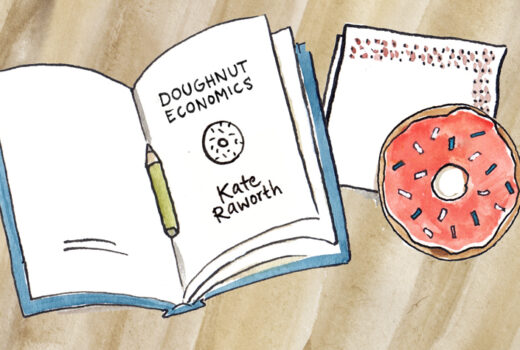
Doughnut economics: an economic model for the future
Blog / 2nd January 2018The distributive concept of the 21st century is not about redistribution, but about sharing the sources of wealth from the start. An interview with Kate Raworth, by Triodos bank.
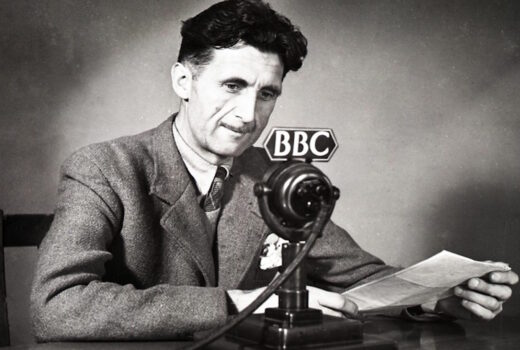
How Orwell used wartime rationing to argue for global justice
Blog / 15th December 2017Innumerable observers have noted that the so-called developed world accounts for a disproportionate share of the world’s resources. Yet even those of us who find global inequality troubling and ultimately indefensible hesitate to raise the subject. Unlike George Orwell, that is, whose support for war-time rationing revealed his motivations towards justice at a global scale, writes Bruce Robbins.