


Topic: Corporate power

On April 29, we march for the future
Blog / 22nd April 2017This Peoples Climate Mobilization (#ClimateMarch) will be the big sequel to the massive protest that filled the streets of New York in September of 2014. And these marches continue to matter for demanding action that is commensurate with the problem: namely, a World War II–scale mobilization for clean energy, and justice for those communities hit first and hit hardest by global warming. By Bill McKibben.
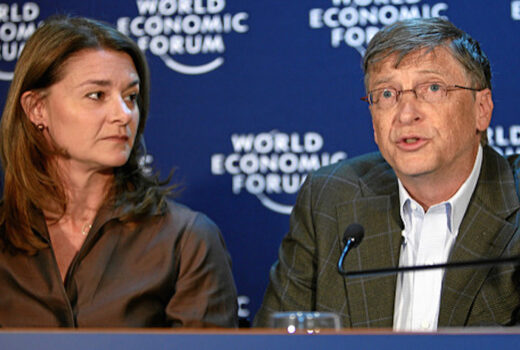
Gates Foundation’s rose-coloured world view not supported by evidence
Article / 21st April 2017For all its candor and color, here is what the annual Gates letter doesn’t tell you: that our global economic system is designed in such a way as to channel our planet’s wealth into the hands of a tiny elite. And changing that system at its root would require those with power to dismantle the very machine that created their privilege, writes Martin Kirk and Jason Hickel.

The Monsanto tribunal’s legal opinion reinforces movements’ struggle for basic human rights
Blog / 21st April 2017The advisory opinion of the Monsanto Tribunal reinforces what grassroots movements all over the world have been contending for decades: that the future of our food lies in the hands of small farmers, and it is the ecological model of agriculture which offers the solution to poverty, hunger and malnutrition in the world and to the crisis of climate change. By Ruchi Shroff of Navdanya International.
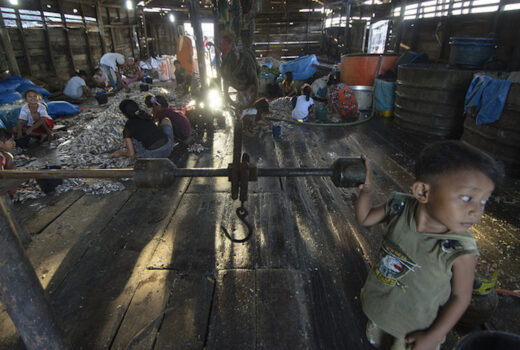
Social justice for the sustainability of life: on the need for a global social pact
Article / 24th March 2017We now need transformative policies able to open a new horizon, without poverty, with less inequality, without destroying our natural environment. Our new situation requires an urgent reflection on power relations and concrete alternatives, central to which is the reconceptualisation of social protection in terms of commons.

Corporate influence on the G20
Report / 24th March 2017Take a closer look behind the flowery language, and it reveals that corporate influence on the G20 discourse entails considerable risks and side-effects. It's time to the imbalances in G20 policies, and the double standards in its openness towards business and civil society - for which substantial reforms are necessary. A new report by Jens Marten for Heinrich Böll Stiftung and Global Policy Forum.

Women rights without borders: Combatting inequalities within and among countries is key to women’s empowerment
Report / 16th March 2017Women’s rights advocates have for years pointed out the negative impacts of inequalities on women’s human rights, on economies and on societies. Many organisations are not only analysing the cross-border impacts of domestic policy, but also showing the universality of human rights - to ensure that women’s rights know no borders. A new report by Barbara Adams and Karen Judd of Global Policy Watch.

Ecuador revives campaign for UN tax body
Article / 3rd March 2017The Republic of Ecuador, currently chair of the largest single coalition of developing countries at the United Nations, is reviving a longstanding campaign for the creation of an inter-governmental UN tax body and the elimination of tax havens and illicit financial flows.

10 economic myths we need to junk
Article / 6th February 2017Since the financial crash of 2008, followers of mainstream economic dogma haven't changed their tune much. But an ever-growing legion of dissenting economists are challenging these cherished myths, as summarised by the New Internationalist in a classic edition of the magazine from December 2015.

A viable billionaire tax?
Report / 27th January 2017A new paper makes the case that a global billionaire tax is ethical, good for growth, and could solve a lot of the world’s problems - and what’s more, it’s politically viable, explains Josh Hoxie.
One-percenters, pay your taxes
Article / 20th January 2017Is there anything that the world's corporations can do about the scourge of inequality? The answer is yes, but it means rewriting the economic rules - for the only sustainable prosperity is shared prosperity, writes Joseph E. Stiglitz.