


Topic: Inequality

Land, water and energy: an overview
Article / 19th May 2008The three essential resources of land, energy and water are connected by the same crisis of inequality driven by increasing privatization and corporate control. While universal provision remains an eminently practical goal, it requires a shift in global priorities and wide-scale redistribution through a system of international sharing monitored by an effective and representative United Nations.
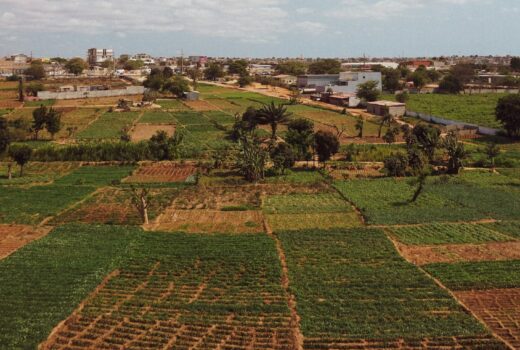
Land: key facts and resources
Article / 19th May 2008A collection of facts, organisations, reports and further resources about the land crisis from a global perspective.
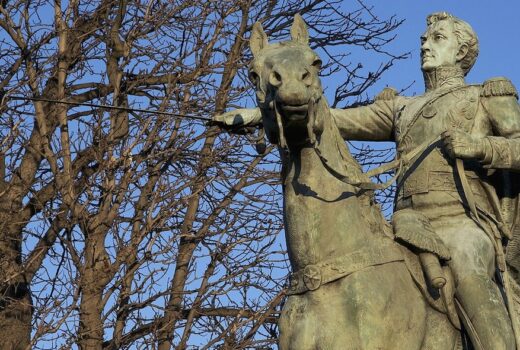
Latin America and the Caribbean: an overview
Article / 19th May 2008As neoliberal policies continue to define the rules of the world economy, great signs of change are being witnessed in many progressive governments of Latin America that are rejecting the Washington Consensus in favour of democratic and people-oriented models of development based on greater regional integration, cooperation and economic justice.
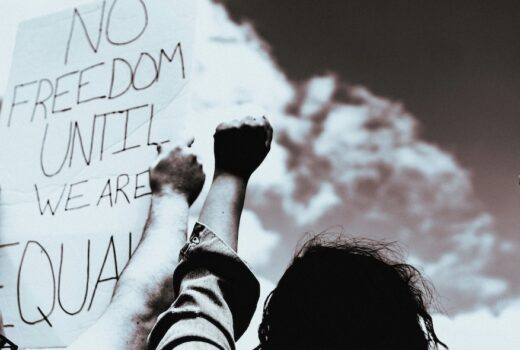
Poverty and inequality: an overview
Article / 19th May 2008https://www.actionagainsthunger.org.ukMore than 1.4 billion people live in poverty so extreme that they can barely survive, and around 25,000 people die from hunger each day whilst a new billionaire is created every second day. The call for a global safety net has never been so urgent - and compels the international community to transform economic priorities and guarantee the universal securing of basic human needs.
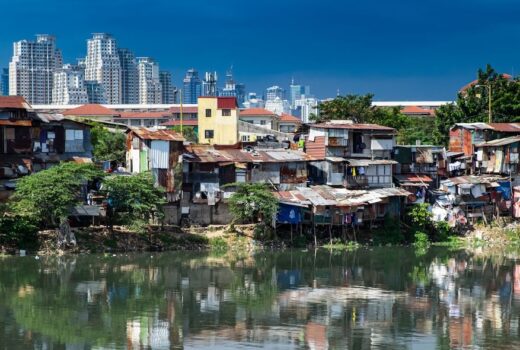
Shelter: key facts and resources
Article / 19th May 2008A collection of facts, organisations, reports and further resources about education from a global perspective.
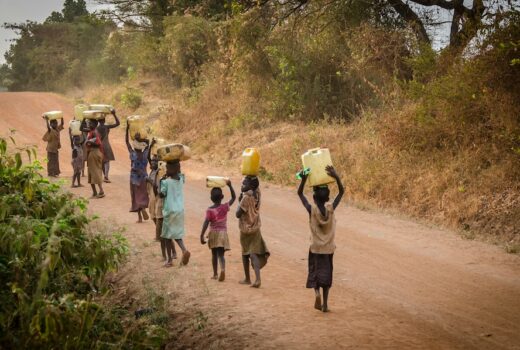
Water: key facts and resources
Article / 19th May 2008A collection of facts, organisations, reports and further resources about access to water from a global perspective.
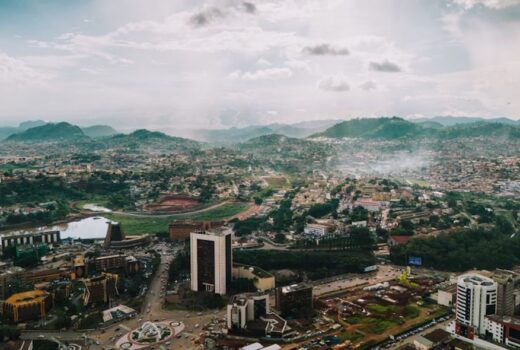
Africa: key facts and resources
Article / 19th May 2008A collection of facts and further resources about economic development in Africa, including organisations, reports and articles.
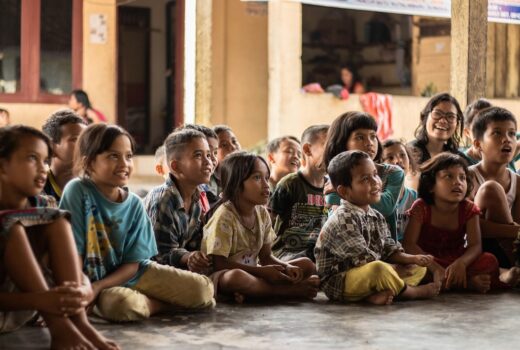
Education: key facts and resources
Article / 19th May 2008A collection of facts, organisations, reports and further resources about education from a global perspective.
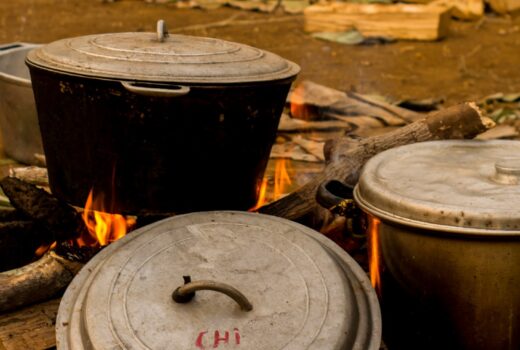
Energy: key facts and resources
Article / 19th May 2008Some facts, organisations, reports and other resources about energy from a global perspective.
Health, education and shelter: an overview
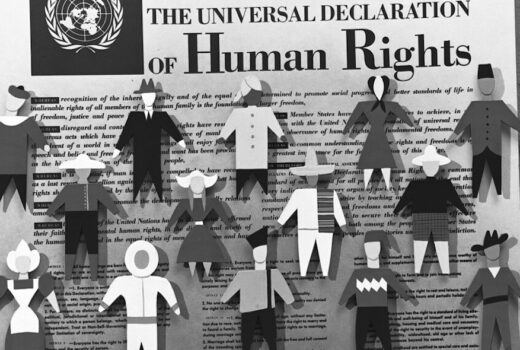
Article / 19th May 2008Education, health and shelter are three basic and essential services long enshrined as a fundamental human right in the Universal Declaration of 1948, but ever since contradicted by the grave reality of life for a large swathe of the world population.