


Topic: New economic paradigms

Financing the global sharing economy, part three (4): stop tax avoidance
Report / 1st October 2012This section of the report 'Financing the Global Sharing Economy' argues that preventing the excessive leakage of revenues through tax avoidance and tax evasion is perhaps the first and most important step governments can take to secure additional financial resources and strengthen the sharing economy.

Financing the global sharing economy, part three (5): increase international aid
Report / 1st October 2012This section of the report Financing the Global Sharing Economy argues that there can be no justification for advanced economies redistributing so little of their national incomes to assist those living in extreme poverty around the world. It presents the need for a much more generous vision of overseas development assistance, alongside major reforms to the international aid architecture.
Living in the gift: on retreat with Charles Eisenstein
Article / 31st August 2012What would the world look like if money embodied our values, if the best business decision was the best decision for society, and if wealth was defined by how much we give, not how much we have? Charles Eisenstein shared his insights during a workshop attended by STWR's Adam Parsons.

International sharing: envisioning a new economy
Report / 29th September 2011The purely market-based approach to development has failed the world's poor. If the global economy is to serve the interests of all people, it must be primarily geared towards securing basic human needs in perpetuity, founded upon a genuine form of multilateral cooperation and economic sharing.
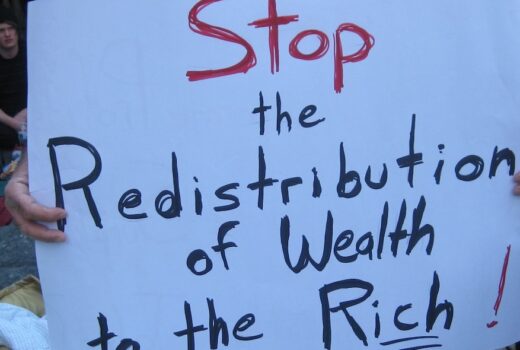
Redistribution: The sane alternative
Blog / 5th June 2011Across the world, the gulf between the rights of ordinary people and the interests of those who hold the reins of the world’s financial wealth has rarely been so stark.

The seven myths of ‘slums’
Report / 8th December 2010The increasing rate of slum growth in the Global South is the direct result of an international development paradigm that fails to prioritise the basic needs of the poor. A world without urban poverty cannot be realised without a redistribution of power and resources on the national and global level, argues a new report by Share The World’s Resources.

Press release: new report – the seven myths of ‘slums’
News / 8th December 2010The increasing rate of slum growth in the Global South is the direct result of an international development paradigm that fails to prioritise the basic needs of the poor. A world without urban poverty cannot be realised without a redistribution of power and resources on the national and global level, argues a new report by Share The World’s Resources.

The seven myths of ‘slums’ – conclusion
Report / 8th December 2010A new vision for cities clearly begins with a change in mindset by the business and political community and all those involved in the governance and construction of cities. This requires a rethinking of the entrepreneurial and ‘marketing’ approach to urban development in which the city is regarded as a product for exchange with the rest of the world, as if the city is a saleable commodity that...

Rethinking the global economy: the case for sharing
Article / 25th November 2010The basic assumptions about human nature that inform economic and political decision-making are long outdated and fundamentally flawed. By acknowledging our interdependence and common ethical values, we can build a more sustainable, cooperative and inclusive global economy.
Sharing the world’s resources – an introduction
Report / 26th October 2010A sustainable global economy fit for the 21st Century must be based on a new ethical framework that reflects and supports humanity’s interdependence. The process of economic sharing can ensure that the world’s essential resources, goods and services are made accessible to all, according to a new brief by Share The World’s Resources.