


Topic: Poverty and hunger
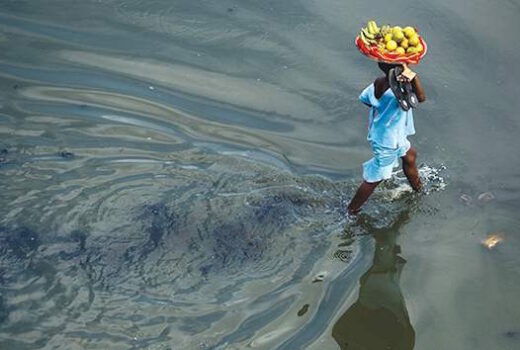
Climate migrants might reach one billion by 2050
Article / 7th September 2017Imagine a world with as many as one billion people facing harsh climate change impacts resulting in devastating droughts and/or floods, extreme weather, destruction of natural resources, in particular lands, soils and water, and the consequence of severe livelihoods conditions, famine and starvation.

Nova publikacija: "Razglasitev 25. člena" Mohammeda Mesbahija v obliki e-knjige
News / 22nd August 2017Prišel je čas, ko moramo v milijonskem številu demonstrirati, ne proti temu ali onemu, temveč na temelju volje do dobrega in sočutja, ki opredeljujeta, kdo v resnici smo. Kajti v slehernem človeškem srcu je vgrajena ljubezen in modrost celotnega človeštva. - Mohammed Mesbahi
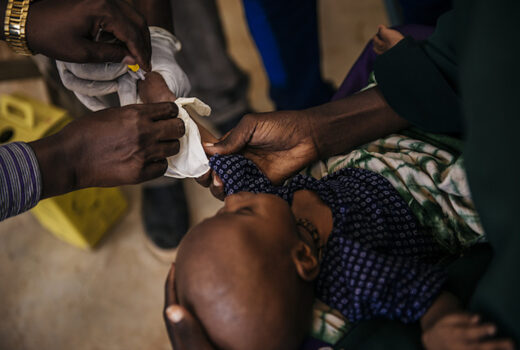
Fighting famine: 'Unprecedented crisis' putting 20 million people at risk, warns UN agency
News / 15th August 2017Twenty million people risk dying of hunger in South Sudan, Somalia, Yemen and the north-east of Nigeria, including 1.4 million children suffering from severe malnutrition, the United Nations food relief agency said, spotlighting today its worldwide campaign to fight famine.

Reversing inequality: Unleashing the transformative potential of an equitable economy
Report / 14th August 2017A new report explains how the rules governing the US economy are tipped in favour of asset owners over wage earners, and offers solutions to transform our system. Authored by Chuck Collins and published by the Institute of Policy Studies and the Next System Project.

La commercializzazione: l’antitesi della condivisione
Article / 1st August 2017'Non possiamo parlare dell’importanza della condivisione senza percepire gli effetti distruttivi per l’umanità della commercializzazione dilagante. Fintanto che viviamo in una società che é ciecamente guidata dalle forze della commercializzazione, il principio della condivisione sarà sempre periferico.’
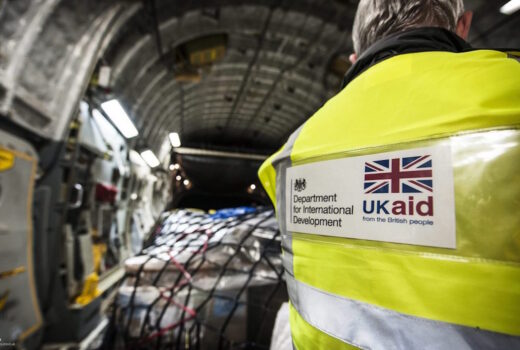
Re-imagining UK aid: What a progressive strategy could look like
Report / 25th July 2017For too long aid spending has been driven by notions of charity, national self-interest, and an ideological belief that free markets and multinational business can solve the world’s problems. A new progressive vision for UK aid is urgently needed—re-focused on principles of social justice and the need to redistribute economic and political power in the world. This report lays out the key ways in which this can be achieved, by Global Justice Now.

WHO estimates cost of reaching global health targets by 2030
Report / 21st July 2017The SDG Health Price Tag, published in The Lancet Global Health, estimates the costs and benefits of progressively expanding health services in order to reach 16 Sustainable Development Goal (SDG) health targets in 67 low- and middle-income countries that account for 75% of the world’s population.
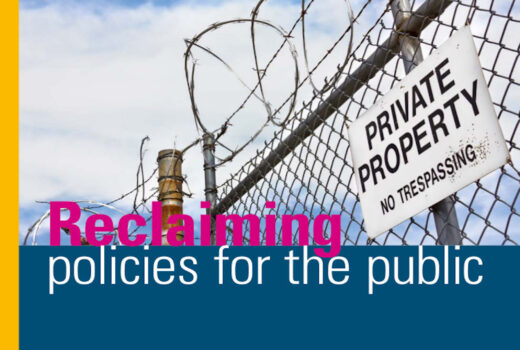
Global spotlight report warns against risks of public-private partnerships
Report / 21st July 2017Public-Private Partnerships (PPPs), usually portrayed as a useful tool towards sustainable development, actually “involve disproportionate risks and costs for people and the public purse”, claims a global coalition of civil society organizations and trade unions in the Spotlight Report 2017 launched earlier this week.
Inequality is not inevitable, it’s a policy choice. For proof, look at Namibia
Article / 20th July 2017Don’t despair that the huge gaps between rich and poor cannot ever be bridged. As Oxfam's new 'Commitment to Reducing Inequality' index shows, government policies really can help to shape more – or less – equal societies and economies. By Max Lawson.
A world in trouble: drought, war, food, flight
Article / 19th July 2017Climate change is becoming a permanent reality affecting food supplies in many parts of the world, escalating a new international food crisis in 19 countries. As the trend of increasing migratory flows worsens, there is no escape from the need for a rapid reduction in carbon emissions, writes Paul Rogers for openDemocracy.