


Topic: Poverty and hunger
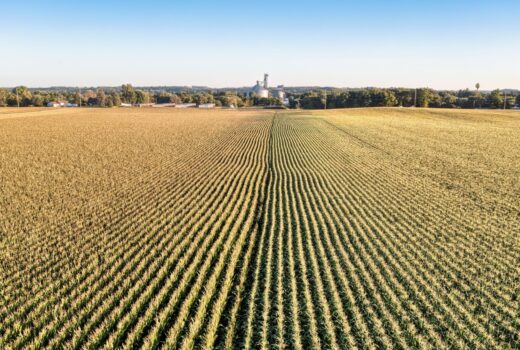
Think U.S. agriculture will end world hunger? Think again.
Report / 21st October 2016A new report by the Environmental Working Group confronts the myth that American farmers must double their food production to 'feed the world'. Instead, the key to ending world hunger while protecting the environment is to help small farmers in the developing world increase their productivity and income, and to promote “agro-ecology” everywhere.

Convening world conference on tax evasion should be priority for next Secretary-General – UN expert
Blog / 18th October 2016The newly selected UN Secretary-General António Guterres should convene a world conference on tax avoidance and evasion, the abolition of tax havens and the protection of whistleblowers, urges the UN’s Independent expert on the promotion of a democratic and equitable international order, Alfred de Zayas.
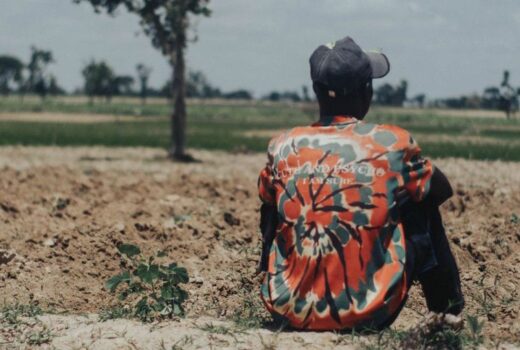
Climate change could drive 122m more people into extreme poverty by 2030
Article / 18th October 2016The UN's 2016 State of Food and Agriculture report warns that without measures to halt and reverse climate change, food production could become impossible in large areas of the world. Consequently, millions more people could be living in extreme poverty by 2030, despite new government pledges in the sustainable development goals. Reported by Claire Provost for the Guardian.
‘Good news’ claiming ‘falling global poverty’ isn’t news at all
Blog / 7th October 2016Is poverty really on the decline across the world, as widely reported by the World Bank and United Nations? This ‘good news’ narrative is far from the whole truth, explains The Rules team.

Tax havens are a global shame. Now is the time to put an end to them.
Article / 4th October 2016A rapidly growing global web of tax havens is one of the key drivers of global inequality, allowing some of the world’s super rich to pay no taxes or far less than they should. Now is the time for a historic ethical pact to finally deliver tax justice to the world, and to end the existence of tax havens altogether, writes Rafael Correa.
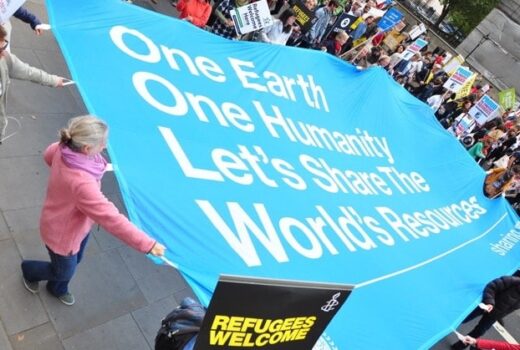
Standing in solidarity for a humanity without borders
Article / 27th September 2016Much has been made of the basic unfairness in how responsibility is shared between nations for ameliorating the refugee crisis. But the real question is the level of economic sharing that is needed to deal with its root causes, when the international response continues to be woefully inadequate.
Latest posts from Share The World’s Resources
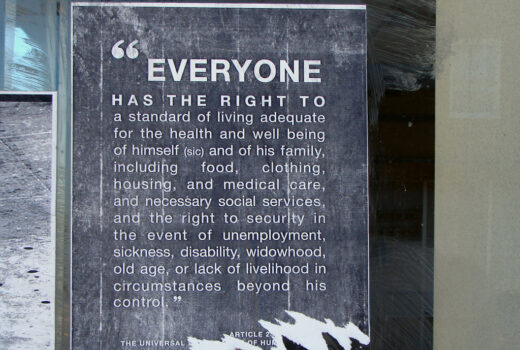
Article / 27th September 2016Read a selected archive of STWR editorials that highlight the growing debate on sharing, with a round-up of sharing-related news, articles, reports and other activities from our monthly newsletters over the years.
A new deal for refugees and migrants?
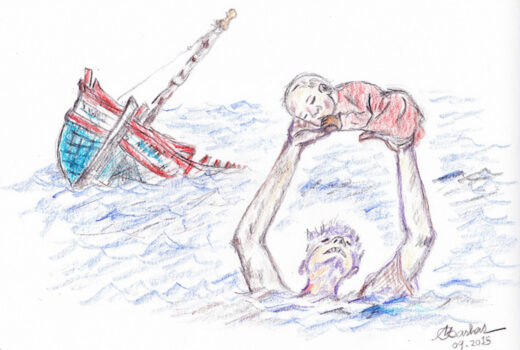
Blog / 13th September 2016As world leaders gear up for the first ever UN Summit on refugees and migrants, civil society organisations already expect the summit to fail to agree any concrete steps for governments to share the responsibility for dealing with the escalating crisis. That is why calls for putting the equitable sharing of responsibility into practice will continue well after the Summits, reports Josephine Liebl of Oxfam International.
Looking good and making a fast buck? Why rich countries help the poor
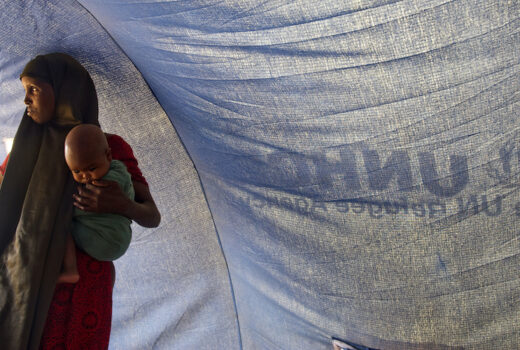
Article / 7th September 2016The arguments for rich nation's moral duty and responsibility to help the distant needy are well known, but short-term political and commercial advantages are dominating the practice of redistributing foreign aid. And the underlying problem is a lack of critical public engagement and concern, writes David Hulme in an extract from his new book, 'Should Rich Nations Help the Poor?'.
Razglasitev 25. člena: ljudska strategija za preoblikovanje sveta
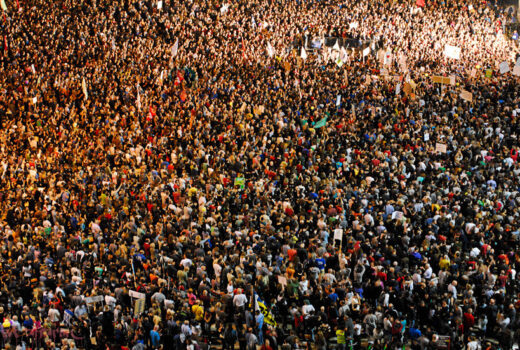
Report / 5th September 2016Po tako številnih letih politične neaktivnosti lahko revščino v svetu obilja izkorenini samo množični izraz volje do dobrega navadnih ljudi na množičnih in nenehnih protestih v vseh državah sveta. Pojdimo torej po poti najmanjšega odpora in skupaj razglasimo že dolgo dogovorjene človekove pravice iz 25. člena Splošne deklaracije človekovih pravic.