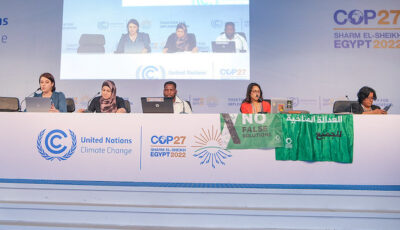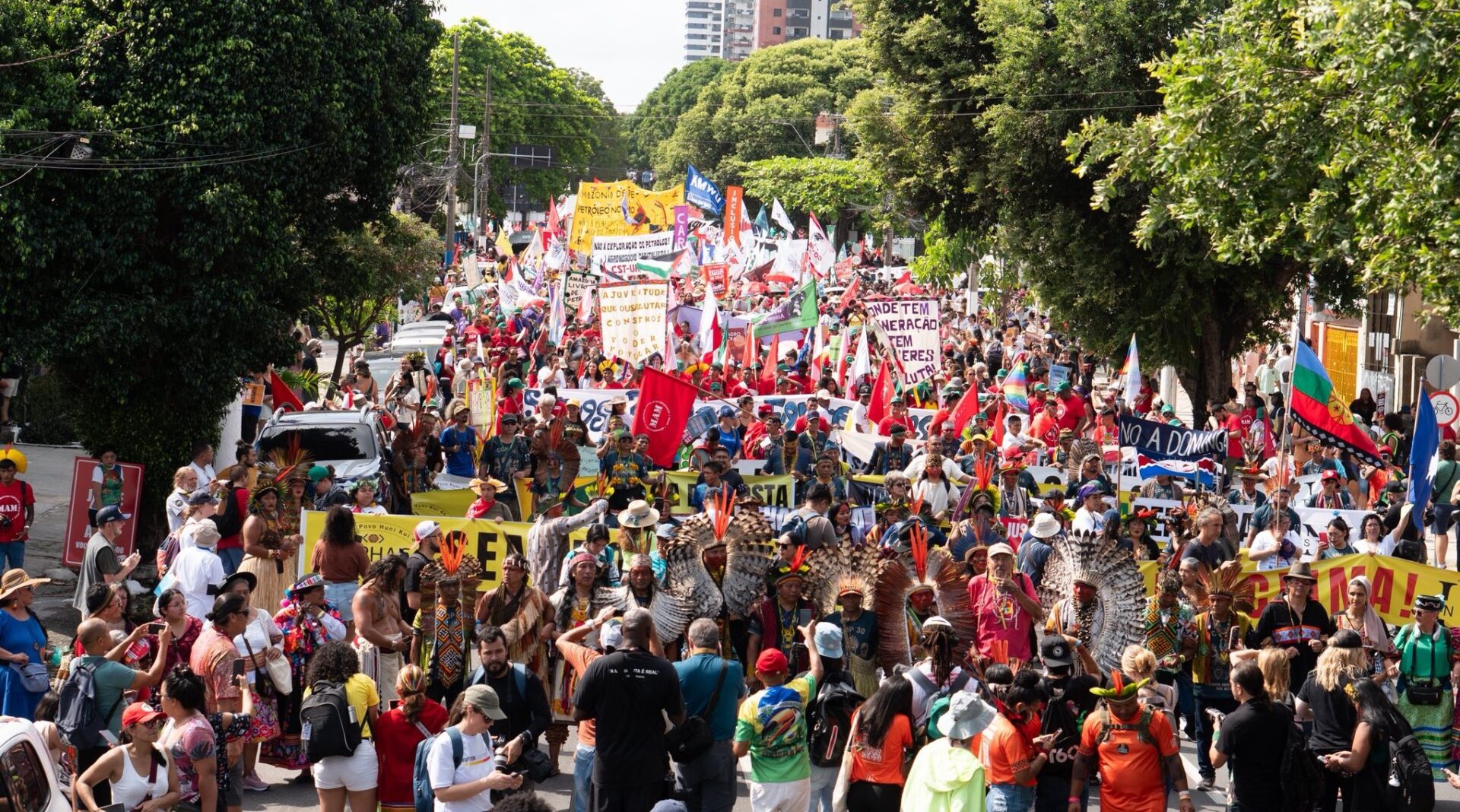
In Belém, Brazil, the latest UN Climate Change Conference—COP30—concluded without an agreement to phase out the use of coal, oil and gas.
More than 80 countries had supported a transition away from fossil fuels, but they were blocked due to strong opposition from major oil producers like Russia, Saudi Arabia and the United Arab Emirates. Without a binding agreement for sharing resources or a fossil-fuel phaseout, is there still hope of keeping the climate process alive?
Read a collection of resources below from civil society campaigners on the real pathway towards a rapid, equitable and just transition from fossil fuels to 100 percent clean and renewable energy systems.
As STWR’s founder Mohammed Mesbahi writes in our book ‘The intersection of politics and spirituality in addressing the climate crisis’;
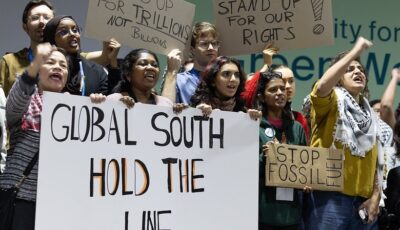
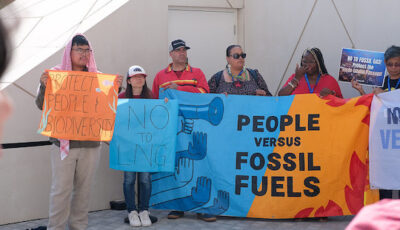
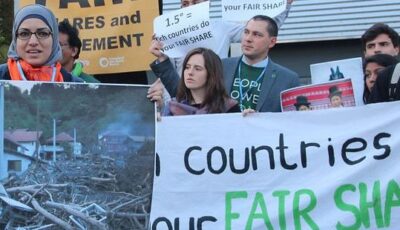
This is the time when activists and engaged citizens must again, again and again organise massive demonstrations to compel governments to shift towards zero carbon economies as an overriding priority. We need the public to come in as a whole and embrace the necessity of rapid social transformation, almost like a huge boycott of consumerism, of the very idea of business-as-usual.
…We should now be protesting continuously around the world, not just once or twice each year or only during the Conference of the Parties. Total cumulative emissions have risen at an unparalleled rate in the new millennium, and …it is naïve or foolish to believe that world leaders will take effective mitigation action without immense pressure from the global public.
A collection of resources on COP30
Unpacking COP30’s politically charged Belém package – Joyce Chimbi, IPS news
COP30 delivers limited but crucial wins despite the Global North obstruction and finance evasion – by members of the Global Campaign to Demand Climate Justice (DCJ).
At COP30, progress on public finance is critical for a fair fossil fuel phaseout – by Lidy Nacpil (co-coordinator of the Asia Peoples’ Movement on Debt and Development) and Elizabeth Bast (executive director at Oil Change International).
Inequity’s deadly hold at COP30 – the latest report and analysis by the Civil Society Equity Review.
Saving multilateralism is not enough for saving the planet and the poor – by Meenakshi Raman, Head of Programmes at the Third World Network.
Groundbreaking report reveals powerful link between poverty and the climate crisis – the latest Global Multidimensional Poverty Index Report by the UN Development Programme reveals that nearly 80% of the world’s poor live in regions exposed to climate hazards.
Report shows how to end ‘climate colonialism’ and ensure a just transition for Global South – Oxfam reveal how the ‘climate colonialism’ of wealthier nations hijacks investment and profits from the Global South.
Hundreds of thousands mobilise worldwide to ‘Draw the line’ for climate action and justice
Image credit: @Durga_ranamagar on X