


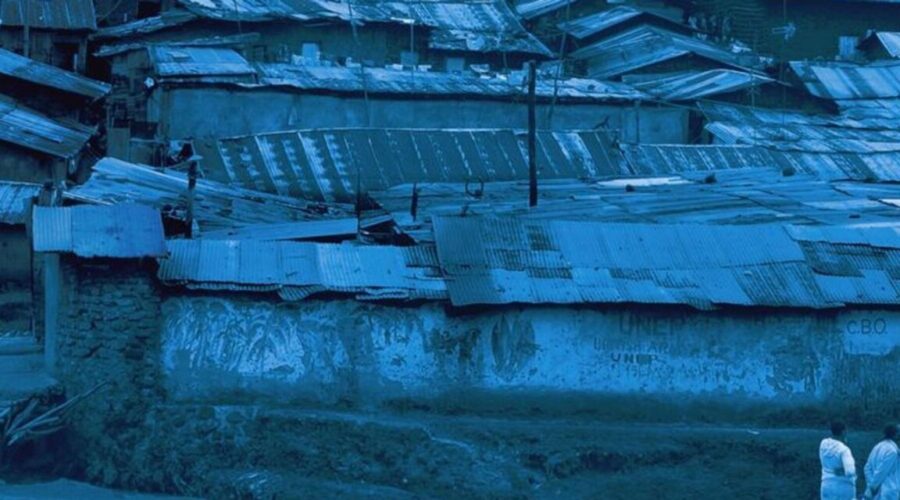
スラム問題に関心を持つ人であれば、いくつかの基本的な事実がすぐに明らかになるでしょう。第一に、世界の貧困の中心地は農村部から都市部へと移行しており、人類史上初めて、世界人口の半数以上が都市部に居住するようになりました。
第二に、世界の都市人口の大部分、大都市の大部分、そして都市部の貧困層の大部分は、いわゆる開発途上国であるアフリカ、アジア、ラテンアメリカに集中しています。第三に、1980年代以降のスラムの拡大は、驚異的かつ前例のない規模であり(ヨーロッパでは産業革命以来都市スラムが存在していましたが)、増加するスラム居住者の将来は、現状では決して楽観視できるものではありません。
これらの事実にもかかわらず、一般の人々の間では、スラムの実態に対する認識は低いようです。長年にわたる多くの活動家や非政府組織(NGO)のたゆまぬ努力のおかげで、世界的な貧困問題は今や国際政策の注目の的となっていますが、人口集中が進む都市における貧困の主要な要素であるスラムの問題は、依然として多くの人々の関心事にはなっていません。その理由の一つは、スラム問題が他の開発問題に比べて優先順位が低いことにあります。他の開発問題には、著名なセレブリティや国際的な慈善団体が支援することが多々あります。劣悪な住居という深刻な問題に広く関心を集めることは、ジェンダー平等、プライマリーヘルスケア、教育、あるいは児童労働や人身売買といった人権侵害といった問題よりも難しく、また、スラム形成の深刻さについて一般的な合意が得られていないことも問題です。一部の著述家は、多くのスラムで見られる創意工夫や機知を、富裕国の社会組織のためのモデルとさえ見なしています。同時に、各国政府や政策立案者は、この問題に世界レベルでどのように対応すべきか途方に暮れているように見えます。ミレニアム開発目標におけるスラムに関する目標は、2020年までに1億人のスラム居住者の「生活を改善する」こと(目標設定時の総人口の10分の1)を掲げるにとどまっており、開発途上国で拡大し続けるスラムが今後も存在し続けることを事実上容認しています。
こうした理由から、本報告書は、スラムと都市貧困という課題への関心をより広く喚起することを目的としています。学術書や学術誌では非公式居住地について多くのことが書かれていますが、大衆映画や文学作品におけるスラムの描写は、都市貧困層に対する長年の偏見を助長することが多い一方で、以降の章で詳しく見ていくように、多くの政府や中流階級の人々が、スラムに暮らす何百万人もの人々の苦境に対して示す無関心は、他の形態の差別にもつながります。こうした考えに基づき、本書は7つの異なる「神話」を中心に構成されています。1986年にFood Firstが出版したベストセラー書籍「世界飢餓にまつわる12の神話」で広く知られるようになったように、西側諸国における開発問題に関する従来の考え方は、遠い国に住む極貧層に関する多くの思い込み、型にはまった考え、正当化によって特徴づけられることが多いのです。こうした中核的な神話のいくつかに異議を唱えることで、罪悪感や恐怖に駆られた貧困への対応を超え、代わりに不安や剥奪をもたらす無力感の構造的原因に焦点を当てることができるのです。[1] スラムに関する神話はいくつでも選ぶことができましたが、選ばれたものは、経済のグローバル化の影響、各国政府の役割、非公式部門の雇用の重要性、国際援助の問題、そして(あまり言及されていない)世界のスラムに関するデータと開発目標をめぐる論争など、人間の居住地に関連するさまざまな重要な問題について一般的な視点を提供することを目的としました。
この報告書は、ケニアのナイロビにある有名な低所得者居住区キベラでの生活を描いた書籍『メガスラミング』の対となるものでもあります。スラムに関するSTWRのこのもう一つの出版物の目的は、サハラ以南アフリカにおける極度の都市貧困の現実についての認識を高めることであり、筆者がコミュニティの様々な住民と個人的に出会った経験を一人称で語っています。この短い書籍は、ケニアの貧困状況を形作ってきた政治的および経済的要因の概要を示していますが、その記述は必然的に特定の低所得コミュニティ内の人々の物語に焦点を当てており、スラムのグローバルな状況や解決策にはあまり焦点を当てていませんでした。この記述に欠けていた重要な要素は、南部の多くの都市における都市貧困者グループやコミュニティネットワークの感動的な活動でした。これは、世界中の無数の草の根運動や多くのNGOによって支持されている活動です。この後に続くいくつかの章で詳述するように、「スラムのない世界」を実現するための第一歩は、実際にこれらの居住地に暮らす人々の創意工夫、能力、組織力を支援することにあります。これは開発実務家の間では長らく認識されてきた事実ですが、都市部の貧困層を住居や生活の場から追い出し続けている多くの政府によって依然として無視されています。
用語の使用について、特に「スラム」という言葉に抵抗を感じる方のために、いくらか説明が必要かもしれません。多くの著者は、こうした不適切な、あるいは違法な住居形態を表現する際に、低所得者コミュニティ、非公式居住地、貧民街、スラム街といった、より非感情的な代替表現を用いることを好みます。あるいは、ブステ、ビドンビル、ファヴェラ、カッチアバディ、バリオ、カンポンなど、農村的な特徴や物質的な状況を反映した国固有の名称を用いることもあります。これらの7つの神話の中で「スラム」という言葉が意図的に使用されていますが(多様性のために他の同義語も使用されています)、決して侮蔑的な意味合いを持たせる意図はありません。それどころか、この口語的な用語を使用する主な理由は、世界の都市部の貧困層を苦しめている多くの不正義に人々の注意を向けさせることです。何億もの人々が、先進国で再現されたなら世間の怒りや道徳的な憤りを引き起こすような状況で生活しています。2010年初頭に東アフリカを訪れた際、ナイロビのようなグローバル化が進む都市の裕福な市民のほとんどが、西側の裕福な人々と同様に、界隈にあるスラムについて無知であることを知って驚きました。[2] これは、「スラム」という言葉が、計画されていない住居での生活状況について何かを教えてくれるかもしれませんが、そこに住む人々の資質や、発展途上国全体に広がる非公式居住地の多くの違いについては何も教えてくれないということを否定するものではありません。神話3と7では、「スラム」という言葉を使うことの多くの概念的な問題点と危険性についてさらに詳しく考察し、特に国連人間居住計画(UN-HABITAT)やその他の都市支援機関が採用しているキャンペーンスローガン「スラムのない都市」との関連から論じています。
これらの章で使用されており、明確化が必要と思われるもう1つの用語は「新自由主義」、つまり経済への国家の不介入政策(しばしば「市場原理主義」と呼ばれる)であり、2008年の世界株式市場暴落につながった規制緩和政策の失敗を考えると、時代遅れだと考える人もいるかもしれません。確かに、多くの政府は、経済に介入して規制し、多くの金融機関を国有化することによって、ここ数十年の支配的なイデオロギーに反することを余儀なくされてきました。さまざまな世界の指導者は、自由放任主義経済といわゆるワシントン コンセンサスの終焉を目撃していると宣言し、フィナンシャル タイムズは危機の直前に「グローバル自由市場資本主義の夢は死んだ」と論評しました。[3] しかし、2年以上経った今でも、ほとんどの政府の優先事項は根本的に変わっていないことは明らかです。 2008年後半に行われた巨額の銀行救済策は、都市部の富裕な金融業者を支えるために利用され、多くの国で新たに選出された保守政権は、社会福祉、公共サービス、労働者の特権を容赦なく削減しています。同じ「破綻」した銀行は依然として世界の金融市場で運営を続けており、ほとんどの政府は1980年代以降の新自由主義の主要な特徴、すなわち産業とサービスの民営化の拡大、貿易障壁の削減と国家間の資本移動の増加、輸出主導型成長への継続的な依存、そして供給サイド経済政策を推進し続けています。言い換えれば、経営難に陥った金融セクターを支えるための国家介入は、一時的に自由市場の世界経済を救ったかもしれませんが、経済関係における構造的な変化をもたらすものでは決してありませんでした。実際、ほとんどの政府の世界市場志向を特徴づける国際競争の根底にある力学は、かつてないほど強固になっています。
この報告書全体を通して批判の主眼となっているのは、経済グローバル化という束縛であり、政府は都市を金融資本にとって魅力的な拠点に変えざるを得ず、その結果、排除された貧困層に直接利益をもたらすはずの再分配戦略が犠牲になっています。政策立案者が社会の最弱者の基本的なニーズ(および権利)よりも経済成長を優先する限り、スラムの蔓延はグローバル・サウス全体で必然的に悪化するでしょう。次の章でその説明を試みます。これはおそらく、スラム問題の中で最も興味深く、かつ不可解な側面でしょう。気候変動が多くの人々に成長主導型で消費ベースのグローバル経済の限界を問わせているのと同様に、スラムの急速な拡大は競争的な自由市場の論理に対する直接的な挑戦です。現在の開発モデルは、地球が際限のない汚染と資源枯渇による環境コストに耐えられないだけでなく、都市のスラム街という形で最も顕著に表れる貧富の格差が、どの社会も最終的には抑えきれない社会的な緊張と分断を引き起こしているため、持続不可能です。しかし、スラム街と都市貧困の急速な拡大を非難したり、開発途上国におけるこの「余剰人口」への対応策に関する政府の計画不足を警告したりする人はほとんどいません。本報告書は最終結論として、経済的優先順位の緊急な変革への希望は、開発途上国の貧困層の組織力と政治的影響力と同様に、結束した世界的な世論の善意と連帯にかかっていると示唆しています。
Link to STWR Report [pdf]: The Seven Myths of ‘Slums’ – Challenging Popular Prejudices About the World’s Urban Poor
Notes:
[1] Frances Moore Lappe and Joseph Collins, World hunger: Twelve Myths, Grove Press, 1986. See introduction.
[2] See UN-HABITAT, Slums of the World: The face of urban poverty in the new millennium, スラム街に関する意識向上の必要性は、国連人間居住計画(UN-HABITAT)の活動においても強調されている。事務局長アンナ・ティバイジュカは次のように述べている。「世界のスラム街の規模を認識することが鍵となる。認識が高まるにつれて、この問題について議論する意欲も高まり、新たなアイデアが必然的に生まれるだろう」。UN-HABITAT『世界のスラム街:新千年紀における都市貧困の実態(Slums of the World: The face of urban poverty in the new millennium)』ナイロビ、2003年、アンナ・ティバイジュカによる序文を参照のこと。
[3] Martin Wolf, ‘The rescue of Bear Stearns marks liberalisation’s limit’, Financial Times, 26th March 2008.