


Topic: Poverty and hunger

When will ordinary people rise up?
Report / 27th June 2012If world leaders and policymakers are paying merely lip service to the unfolding human and environmental catastrophe, is the growing power of the people's voice sufficient to challenge the immense forces that stand in the way of creating a just and sustainable world?

The age of sharing
Blog / 20th June 2012As we celebrate National Sharing Day, let’s make sure we advocate for sharing in all its forms. The true milestone for the Age of Sharing will be the creation of a global sharing economy that ensures we end poverty and live sustainably.

Der Schrei nach Gerechtigkeit
Article / 2nd May 2012Wenn es uns ein Anliegen ist, die andauernde, und auch kriminelle Hungersnot in einer Welt des Überflusses zu beenden, können wir unser Handeln nicht nur auf unser Land oder unsere Gemeinde beschränken. Stattdessen sollten wir das Teilen der Nahrungsmittel auf einer globalen Ebene ins Auge fassen, vor allem hinsichtlich einer Politik, den Hunger abzuschaffen, sagt Mohammed Mesbahi

Politically-filtered views on progress against poverty
Article / 28th March 2012The policy interpretations given by some critics of the World Bank's global poverty data are yet another form of their own political filtering. Some people just don't want to accept that the living standards of the poorest could evolve over time in any way contrary to what their political beliefs would appear to dictate, argues Martin Ravallion.
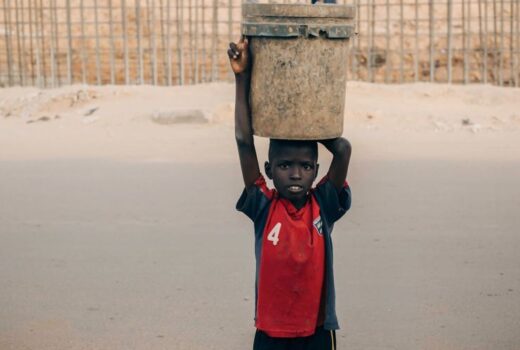
Should we celebrate a decline in global poverty?
Article / 16th March 2012The World Bank's latest data suggests a decline in global poverty throughout every region of the developing world, as well as the fulfillment of the Millennium Development Goal on halving poverty well ahead of schedule. But is this really the 'good news' that we are led to believe?

‘Megaslumming’ book launch and panel discussion, London
News / 26th February 2012Share The World’s Resources convened a book launch and panel discussion on slum growth and urban poverty in the Global South, held on Wednesday 24 February at the Amnesty International UK headquarters in London.

Demanding an end to world hunger
Blog / 15th December 2011The events of 2011 may well go down in history as constituting the most significant turning point of modern times.
The cry for justice
Article / 13th December 2011As the economic crisis worsens, the foremost responsibility of governments is to redesign our political and economic systems so that no-one dies of hunger. But this will never happen without an unparalleled uprising of public support.
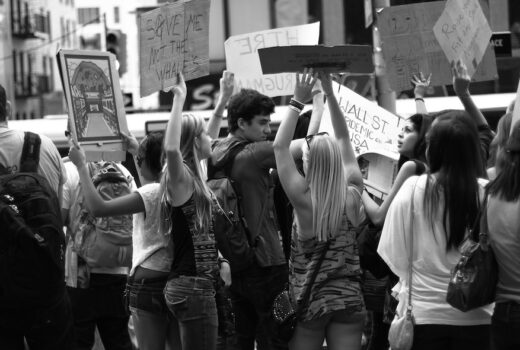
The world Is revolting against the US economic and business model: a call to action
News / 25th November 2011The study of business and economics remains largely disconnected from moral, social and spiritual considerations. Alongside leading thinkers from civil society, STWR has endorsed a statement calling for a new economy based on shared ethics and values.

No tax, no justice
Article / 23rd September 2011Finding ways to increase tax revenue is critical if developing countries are to fund essential public services and reduce poverty. Global reforms to tackle tax evasion and policies to strengthen the capacity of national revenue authorities should be a top priority for development cooperation, argues Adam Parsons.