


Topic: Poverty and hunger
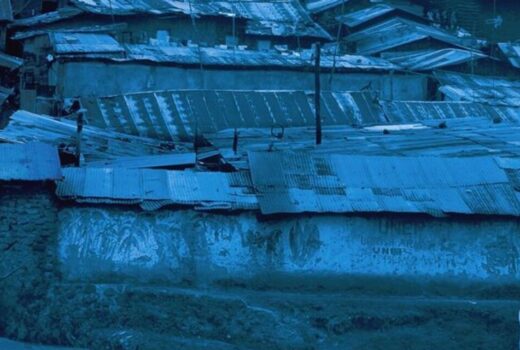
The seven myths of ‘slums’ – myth 2: the poor are to blame
Report / 8th December 2010The deep-seated myth that the poor are to blame for their conditions of poverty echoes back to the earliest days of industrialisation in Western Europe. With a perverse inversion of cause and effect, the prevalence of extreme urban poverty and slum settlements is blamed...
The seven myths of ‘slums’ – myth 3: slums are places of crime, violence and social degradation
Report / 8th December 2010A corollary of the myth that the poor are to blame for their poverty is the widespread prejudice against slums as places of social degradation and despair, and against slum residents as perpetrators of violence and crime...
The seven myths of ‘slums’ – myth 4: slums are an inevitable stage of development
Report / 8th December 2010There is an underlying assumption to much of the debate surrounding slums and urban poverty: that the urban poor will get to our standard of living eventually, and countries of the South will rise to the same level of material affluence as the industrialised North, just so long as...
The seven myths of ‘slums’ – Myth 5: the free market can end slums
Report / 8th December 2010According to the international institutions and powerful states that drive globalisation (along with most of the business community, conservative political parties, libertarian ideologues and the corporate-controlled media that gives voice to their concerns), we are told that social injustice can only be addressed by the proper application of some version of free market capitalism...
The seven myths of ‘slums’ – myth 6: international aid is the answer
Report / 8th December 2010Never in the history of cities have there been so many projects for improving slums and the living conditions of the urban poor by international aid agencies, development banks and non-governmental organisations (NGOs). But just as state policies have failed to meet the needs of the urban poor in most low- and middle-income countries...
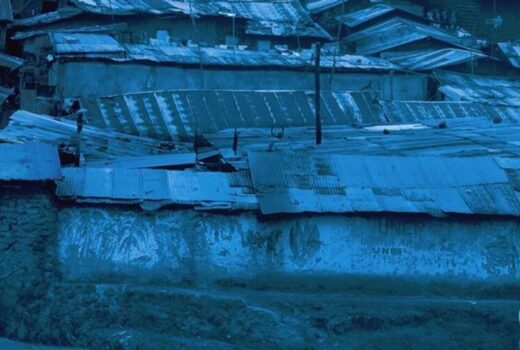
Press release: new report – the seven myths of ‘slums’
News / 8th December 2010The increasing rate of slum growth in the Global South is the direct result of an international development paradigm that fails to prioritise the basic needs of the poor. A world without urban poverty cannot be realised without a redistribution of power and resources on the national and global level, argues a new report by Share The World’s Resources.
The seven myths of ‘slums’ – myth 7: there will always be slums
Report / 8th December 2010Is it realistic to talk about an end to slums at any point in the future? Or does the same view hold for ‘slums’ as for those who proclaim against global poverty: “the poor have always been with us, and always will be!” For some modern writers, the evidence suggests that the future of cities is a foregone and forbidding conclusion, a “planet of slums”...

The seven myths of ‘slums’ – conclusion
Report / 8th December 2010A new vision for cities clearly begins with a change in mindset by the business and political community and all those involved in the governance and construction of cities. This requires a rethinking of the entrepreneurial and ‘marketing’ approach to urban development in which the city is regarded as a product for exchange with the rest of the world, as if the city is a saleable commodity that...
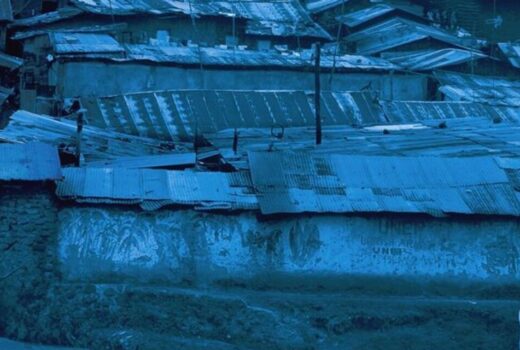
The seven myths of ‘slums’
Report / 8th December 2010The increasing rate of slum growth in the Global South is the direct result of an international development paradigm that fails to prioritise the basic needs of the poor. A world without urban poverty cannot be realised without a redistribution of power and resources on the national and global level, argues a new report by Share The World’s Resources.
The seven myths of ‘slums’ – introduction
Report / 8th December 2010For anyone who takes an interest in the problem of slums, a few basic facts will soon become clear. Firstly, the locus of global poverty is moving from rural areas to the cities, and more than half the world population now lives in urban areas for the first time in human history. Secondly...