


Topic: Poverty and hunger
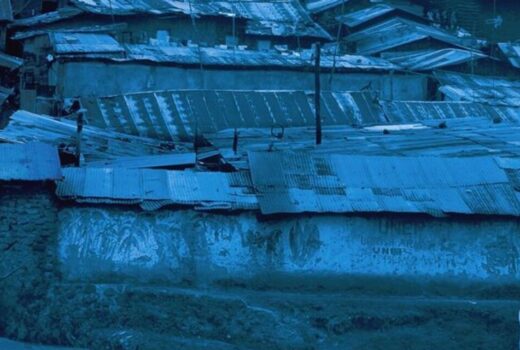
The seven myths of ‘slums’ – myth 4: slums are an inevitable stage of development
Report / 8th December 2010There is an underlying assumption to much of the debate surrounding slums and urban poverty: that the urban poor will get to our standard of living eventually, and countries of the South will rise to the same level of material affluence as the industrialised North, just so long as...
The seven myths of ‘slums’ – Myth 5: the free market can end slums
Report / 8th December 2010According to the international institutions and powerful states that drive globalisation (along with most of the business community, conservative political parties, libertarian ideologues and the corporate-controlled media that gives voice to their concerns), we are told that social injustice can only be addressed by the proper application of some version of free market capitalism...
The seven myths of ‘slums’ – myth 6: international aid is the answer
Report / 8th December 2010Never in the history of cities have there been so many projects for improving slums and the living conditions of the urban poor by international aid agencies, development banks and non-governmental organisations (NGOs). But just as state policies have failed to meet the needs of the urban poor in most low- and middle-income countries...
The seven myths of ‘slums’ – myth 7: there will always be slums
Report / 8th December 2010Is it realistic to talk about an end to slums at any point in the future? Or does the same view hold for ‘slums’ as for those who proclaim against global poverty: “the poor have always been with us, and always will be!” For some modern writers, the evidence suggests that the future of cities is a foregone and forbidding conclusion, a “planet of slums”...

The seven myths of ‘slums’ – conclusion
Report / 8th December 2010A new vision for cities clearly begins with a change in mindset by the business and political community and all those involved in the governance and construction of cities. This requires a rethinking of the entrepreneurial and ‘marketing’ approach to urban development in which the city is regarded as a product for exchange with the rest of the world, as if the city is a saleable commodity that...

Rethinking the global economy: the case for sharing
Article / 25th November 2010The basic assumptions about human nature that inform economic and political decision-making are long outdated and fundamentally flawed. By acknowledging our interdependence and common ethical values, we can build a more sustainable, cooperative and inclusive global economy.
Sharing the world’s resources – an introduction
Report / 26th October 2010A sustainable global economy fit for the 21st Century must be based on a new ethical framework that reflects and supports humanity’s interdependence. The process of economic sharing can ensure that the world’s essential resources, goods and services are made accessible to all, according to a new brief by Share The World’s Resources.
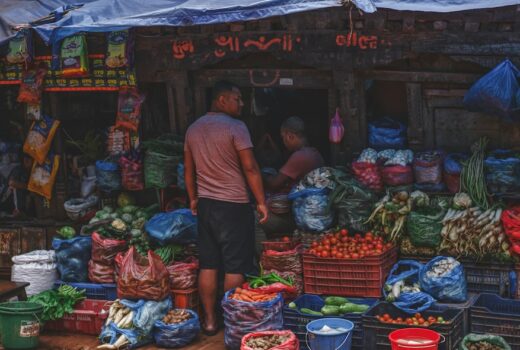
Rebuilding local economies: a shift in priorities
Article / 20th October 2010The grassroots movement for economic localisation represents a positive and practical response to the challenges of food insecurity, climate change, peak oil and financial instability. Governments should support this alternative vision for sustainable, human-scale development, writes Anna White.

‘Health for all’: the second dawn
Article / 22nd July 2010It may seem that the goal of universal primary health care - in which state capacities are strengthened to ensure the rapid expansion of free publicly-provided health services - is further away than ever before. But there are many signs that the ideal of 'health for all' is making a second resurgence, writes Adam Parsons.
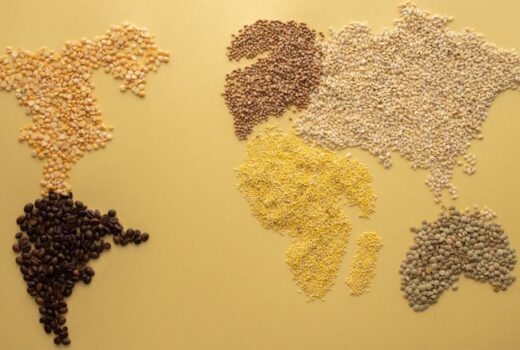
International call for food reserves sign-on letter
News / 17th May 2010Food reserves are a valuable tool in addressing the structural causes of hunger. In a joint letter with concerned civil society groups worldwide, STWR calls on governments and institutions to put the issue of reserves at the centre of their policy considerations.